 OptimalEating
Understanding Food Choices and Body Weight Science
Explore the scientific principles behind how food influences metabolic health, energy regulation, and body composition through evidence-based insights.
Nutrient Density Explained
Nutrient density refers to the concentration of vitamins, minerals, and beneficial compounds relative to caloric content. Foods with high nutrient density provide substantial micronutrient value without excessive calories.
Understanding nutrient density helps explain why different foods produce varying physiological responses despite similar energy content. Leafy greens, cruciferous vegetables, berries, and legumes exemplify foods with high nutrient density.
The concept connects to broader observations about how food composition influences satiety signals, energy metabolism, and metabolic health markers observed in population studies.

Macronutrient Combinations

How proteins, fats, and carbohydrates interact within meals represents a fundamental aspect of nutritional science. Each macronutrient category influences metabolic responses and energy regulation signals differently.
Protein consumption correlates with increased thermogenic effect—the energy required for digestion. Dietary fat supports hormone production and micronutrient absorption. Carbohydrate types influence blood glucose responses and satiety duration.
The interplay between macronutrient proportions and meal composition creates varying physiological effects, which observational research has documented across diverse populations.
Food Processing Effects
Processing fundamentally alters food's nutritional profile and bioavailability—the extent to which the body can absorb and utilize nutrients. Refining grains removes the nutrient-dense bran and germ layers. Thermal processing can both enhance nutrient bioavailability (lycopene in cooked tomatoes) and reduce heat-sensitive vitamins (vitamin C in heated vegetables).
Ultraprocessed foods often contain added sugars, sodium, and refined carbohydrates while being lower in fiber and micronutrients. This altered composition influences metabolic responses, energy density perception, and how the body's regulation systems respond to nutritional signals.
Understanding these processing effects provides context for why observational studies consistently identify whole food consumption patterns with favorable metabolic and health markers.
Micronutrients in Energy Metabolism
Vitamins and minerals function as essential cofactors in energy production pathways. B vitamins facilitate the conversion of food energy into ATP—the cellular currency of energy. Iron enables oxygen transport crucial for aerobic metabolism. Magnesium participates in hundreds of enzymatic reactions including energy synthesis.
Zinc supports immune function and protein synthesis. Vitamin D regulates calcium absorption and immune signaling. Antioxidant minerals and vitamins combat oxidative stress from normal metabolic processes.
Micronutrient deficiencies impair these processes, affecting overall metabolic efficiency and health markers. Plant-based foods provide diverse micronutrient profiles, while food quality influences micronutrient density.

Volume vs Calorie Density
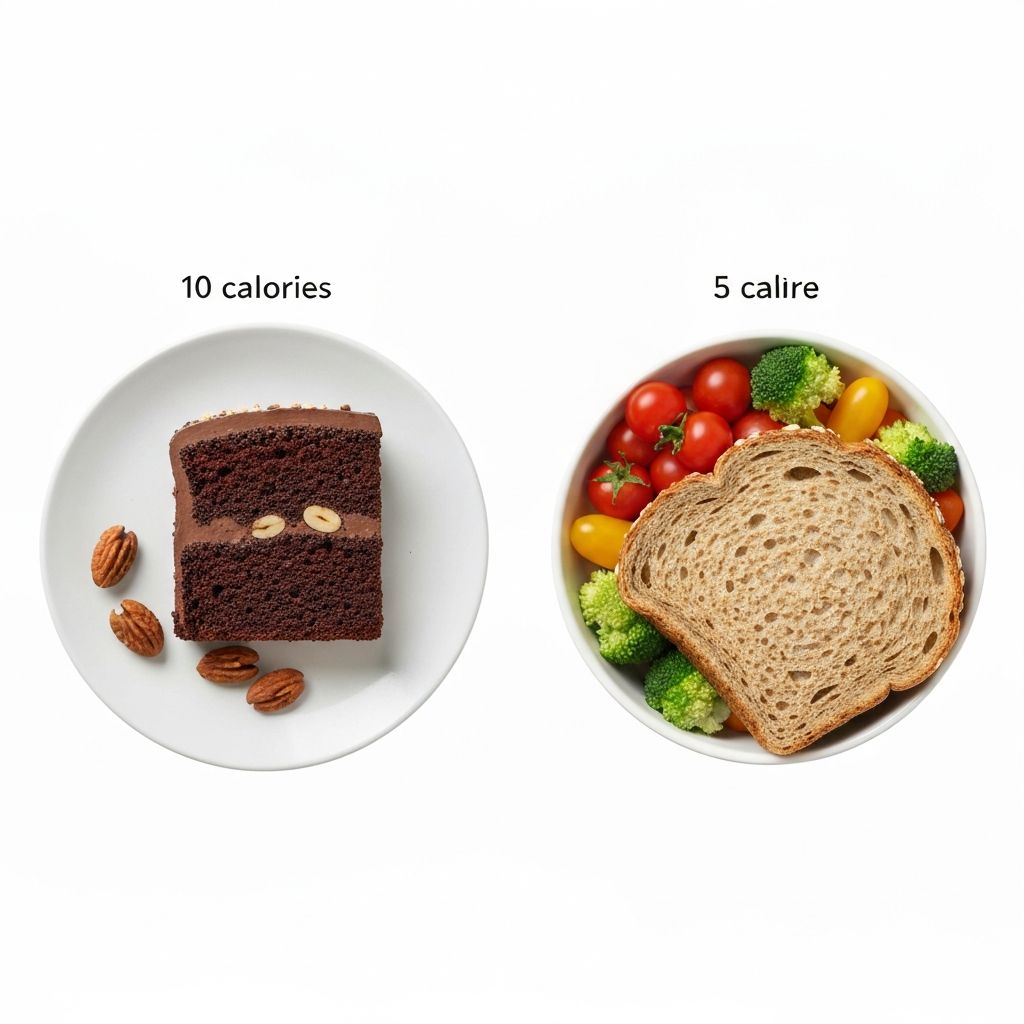
Calorie density—the energy content per unit of food—varies dramatically. Water-rich vegetables provide substantial volume with minimal calories. Oils and nuts concentrate significant calories in small portions. This distinction influences satiety signals and eating behavior patterns.
Research on food volume suggests that physical distension of the digestive system triggers fullness signaling. Lower-calorie-density foods generally require larger portions to reach the same energy intake as denser alternatives.
Understanding this relationship provides context for population dietary patterns, though individual variation in hunger signaling remains significant.
Population Dietary Patterns
Observational research across diverse populations identifies consistent associations between dietary patterns and health markers. Diets emphasizing whole foods, adequate protein, and diverse plant sources show favorable correlations with metabolic health measures.
These patterns vary culturally and individually—Mediterranean, Asian, and other traditional dietary approaches demonstrate sustained health across different food compositions. This diversity reflects that multiple dietary frameworks can support metabolic health.
Population-level observations provide evidence for general principles while acknowledging substantial individual variation. Genetics, activity levels, stress, sleep, and other lifestyle factors interact with dietary choices to influence individual outcomes.
Recent Articles

What Makes a Food Nutrient-Dense?
Explore the concept of nutrient density and how to identify foods with optimal nutrient-to-calorie ratios for understanding dietary composition.
Read the Science
How Food Volume Influences Satiety Signals
Discover the physiological mechanisms connecting food volume, stomach distension, and how the body perceives fullness through scientific evidence.
Continue Reading
Micronutrient Roles in Metabolic Health
Understand how key vitamins and minerals function in energy metabolism and metabolic health through detailed scientific exploration.
Explore FurtherCommon Questions Answered
Nutrient density describes the concentration of vitamins, minerals, and beneficial compounds relative to caloric content. It matters because foods with high nutrient density provide essential micronutrients without excessive calories, supporting various physiological functions and metabolic health markers observed in research.
Each macronutrient influences metabolism differently. Protein has the highest thermic effect—energy required for digestion. Carbohydrates provide readily available energy. Fats support hormone production and nutrient absorption. The proportion and type of each macronutrient affects how the body processes energy and regulates hunger signals.
Yes. Processing can remove nutrients (refining removes bran and germ), alter bioavailability, and change macronutrient ratios. Some processing enhances bioavailability (cooking tomatoes increases lycopene absorption), while others reduce nutrient density. Ultraprocessed foods typically contain higher sugar and sodium with lower fiber and micronutrient content.
Micronutrients function as cofactors in metabolic pathways, energy production, immune function, and antioxidant defense. B vitamins facilitate energy synthesis. Iron enables oxygen transport. Zinc supports protein synthesis. Deficiencies in micronutrients impair these processes and affect metabolic health markers.
Physical distension of the gastrointestinal tract triggers satiety signals. Lower-calorie-density foods generally require larger portions to reach the same energy intake, potentially affecting hunger perception. Water-rich vegetables, for example, provide volume with minimal calories.
Observational research across populations shows associations between dietary patterns emphasizing whole foods, adequate protein, and diverse plants with favorable metabolic health markers. Multiple dietary frameworks demonstrate sustained health benefits, reflecting that cultural and individual variation in food choices can support metabolic wellness.
Research identifies general principles supporting metabolic health—adequate whole food consumption, micronutrient diversity, appropriate protein intake—but significant individual variation exists. Genetics, activity level, sleep, stress, and other lifestyle factors influence individual responses to dietary choices, meaning one approach isn't optimal for everyone.
No. This content provides general educational information about nutrition science. It does not constitute personalized health or nutrition guidance. Individual dietary needs depend on medical history, genetics, activity level, and other factors. Always consult qualified healthcare professionals for personalized recommendations.
Explore More Scientific Insights
Continue your journey through evidence-based nutrition science and discover how food influences metabolic processes and health markers.