 OptimalEating
How Food Volume Influences Satiety Signals
Exploring the physiological connection between food volume, gastric distension, and fullness perception
Understanding Satiety Signals
Satiety refers to the feeling of fullness and satisfaction after eating. The human body uses multiple mechanisms to regulate food intake, including mechanical, chemical, and neural signals that communicate the volume and nutrient content of consumed food to the brain's appetite control centers.
Mechanical Satiety: Gastric Distension
Physical stomach distension represents a primary mechanical satiety signal. When food enters the stomach, it expands, stimulating mechanoreceptors in the stomach wall. These receptors send neural signals to the satiety centers in the hypothalamus, generating the sensation of fullness. This mechanism operates largely independent of caloric content—the physical volume of food triggers fullness signaling.
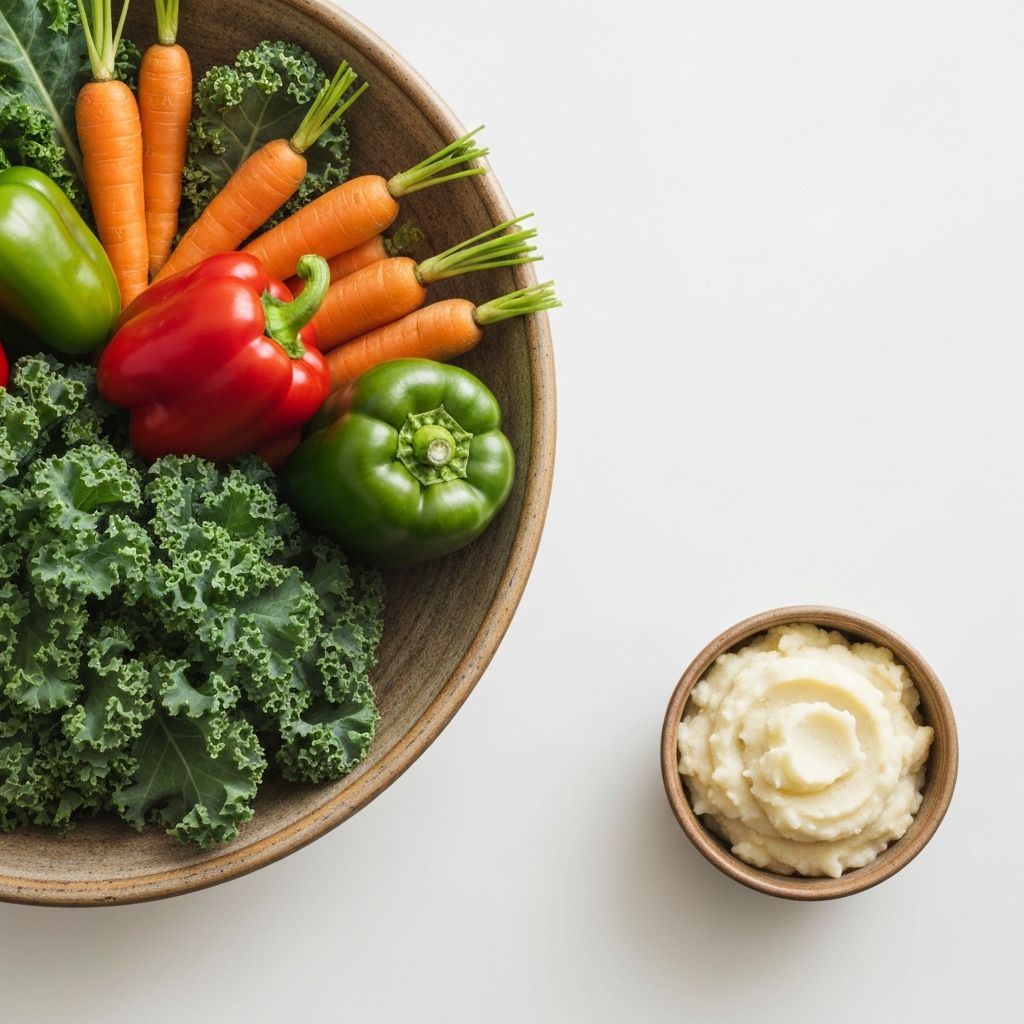
Research demonstrates that larger meal volumes produce greater satiety sensations than smaller volumes of calorically equivalent foods. A large bowl of broccoli (approximately 100 calories, high volume) produces more physical stomach distension and satiety than a small portion of oil (approximately 100 calories, minimal volume).
Calorie Density and Eating Behavior
Low-Calorie-Density Foods: Water-rich vegetables, fruits, legumes, and whole grains contain substantial volume with lower caloric content. These foods require larger portions to reach the same energy intake as denser alternatives, potentially providing extended satiety.
High-Calorie-Density Foods: Oils, nuts, processed foods, and other calorically concentrated items provide substantial energy in small portions. Consuming equivalent calories requires less chewing, less stomach volume, and may result in reduced satiety signaling before equivalent energy intake is achieved.
Practical Examples
Vegetable Comparison: One hundred calories of cooked spinach represents approximately 6 cups—substantial volume. One hundred calories of olive oil measures roughly 2 tablespoons. The spinach consumption requires more chewing, more gastric distension, and typically results in greater satiety despite identical energy content.
Grain Comparison: Whole wheat bread contains more fiber and water than refined white bread. For equivalent calories, whole wheat typically requires larger portion sizes and produces greater satiety.
Fruit vs Juice: One orange (approximately 45 calories) provides substantial fiber, water, and volume. Orange juice containing equivalent calories (approximately 4 fluid ounces) produces less satiety despite similar nutrient profiles, reflecting the importance of food structure and volume.
Chemical and Neural Satiety Signals
Beyond mechanical distension, nutritional composition triggers satiety signals. Protein produces the highest thermic effect and activates specific satiety pathways. Fiber influences gut hormones and provides volume. Fat slows gastric emptying and activates fullness signals. These mechanisms work alongside mechanical distension to regulate food intake.
Stomach hormones like cholecystokinin (CCK) and nutrient-sensing mechanisms in the small intestine contribute to postprandial satiety. Combining high volume with fiber and protein creates multiple satiety signals, potentially supporting more stable energy regulation.
Individual Variation and Context
Individual responsiveness to satiety signals varies based on genetics, eating habits, insulin sensitivity, and metabolic factors. Some individuals respond strongly to physical volume signals, while others show greater sensitivity to nutrient composition. Eating speed, food environment, and psychological factors influence satiety perception independently of physiological signals.
Population research consistently documents associations between whole food consumption patterns and favorable metabolic markers, suggesting that the volume and nutrient density principles support long-term health outcomes. However, individual dietary requirements and responses remain highly variable.
Educational Context
This article provides information for understanding nutrition science principles. It does not constitute personalized nutrition guidance. Individual dietary needs depend on medical history, genetics, activity level, and other factors. Always consult qualified healthcare professionals for personalized recommendations.