 OptimalEating
Protein Quality and Digestion
Understanding amino acid profiles, bioavailability, and protein metabolism
Amino Acids and Protein Structure
Protein comprises chains of amino acids linked by peptide bonds. Nine amino acids are essential—the body cannot synthesize them, requiring dietary consumption: histidine, isoleucine, leucine, lysine, methionine, phenylalanine, threonine, tryptophan, and valine. The remaining eleven amino acids are nonessential—the body synthesizes them from dietary sources.
Complete proteins contain all nine essential amino acids in adequate proportions. Incomplete proteins lack or provide minimal quantities of one or more essential amino acids. Protein quality partially reflects essential amino acid composition and proportions.
Protein Quality Metrics
Protein Digestibility: Bioavailability refers to the proportion of consumed amino acids absorbed and available for metabolism. Different protein sources show varying digestibility. Egg protein demonstrates approximately 97% digestibility. Milk protein shows ~95% digestibility. Beef demonstrates ~92% digestibility. Plant proteins show more variable digestibility—legumes approximately 72-90%, whole grains approximately 60-65%.
Amino Acid Profile: Complete proteins containing balanced essential amino acids support more efficient protein synthesis than incomplete proteins. Animal proteins generally provide complete amino acid profiles. Plant proteins vary—legumes are low in methionine, grains are low in lysine. Combined plant sources (rice and beans, for example) provide complete amino acid profiles.
PDCAAS and DIAAS Scores: These metrics quantify protein quality based on amino acid profile and digestibility. Scores range from 0-1, with 1.0 representing maximum quality. Egg albumin scores 1.0. Milk scores 1.0. Beef scores 0.92. Legumes score 0.60-0.75. This scoring helps contextualize protein quality comparisons.
Digestion and Absorption Process
Gastric Phase: Stomach acid denatures proteins, partially unfolding structure. Pepsin, a stomach enzyme, cleaves peptide bonds, beginning protein digestion. This process produces smaller peptide chains and some free amino acids.
Small Intestinal Phase: Pancreatic proteases including trypsin and chymotrypsin continue protein breakdown into tripeptides, dipeptides, and individual amino acids. Intestinal peptidases complete digestion. Amino acids and small peptides enter intestinal epithelial cells through specific transport proteins. This absorption is active, requiring energy.
Hepatic Portal Transport: Amino acids enter portal blood, traveling directly to the liver. The liver distributes amino acids to peripheral tissues or utilizes them for its own protein synthesis or gluconeogenesis.
Factors Affecting Protein Digestion and Absorption
Cooking and Processing: Heat denatures protein structure, generally enhancing digestibility by increasing accessibility for digestive enzymes. Boiling, baking, and frying improve digestibility compared to raw sources. However, excessive processing can reduce amino acid availability through Maillard reactions.
Food Matrix and Fiber: Fiber can reduce protein digestibility by slowing transit time and potentially reducing enzyme access. However, this effect varies—soluble fiber shows different effects than insoluble fiber. The overall food composition influences digestion rates.
Phytates and Tannins: Plant foods contain compounds that can reduce mineral absorption. Some evidence suggests these compounds may slightly reduce protein digestion, though the clinical significance remains unclear. Cooking and fermentation reduce phytate content.
Individual Digestive Capacity: Age, digestive enzyme secretion, gut health, and individual variation influence digestion efficiency. Individuals with reduced pancreatic enzyme production or intestinal damage may show reduced protein digestion.
Protein Metabolism and Body Synthesis
Amino acids circulating in blood serve multiple functions. They support muscle protein synthesis, with leucine playing a particularly important signaling role through mTOR activation. Amino acids also support enzyme, hormone, antibody, and other protein synthesis. Some amino acids—particularly branched-chain amino acids—serve as energy substrates during fasting or intense exercise.
The body doesn't store amino acids like it stores carbohydrates or fat. Adequate daily protein consumption supports continuous protein synthesis and turnover. The quantity of protein needed depends on age, activity level, health status, and other factors, with general recommendations ranging from 0.8 g/kg body weight for sedentary individuals to 1.6-2.2 g/kg for highly active individuals.
Plant Versus Animal Protein Sources
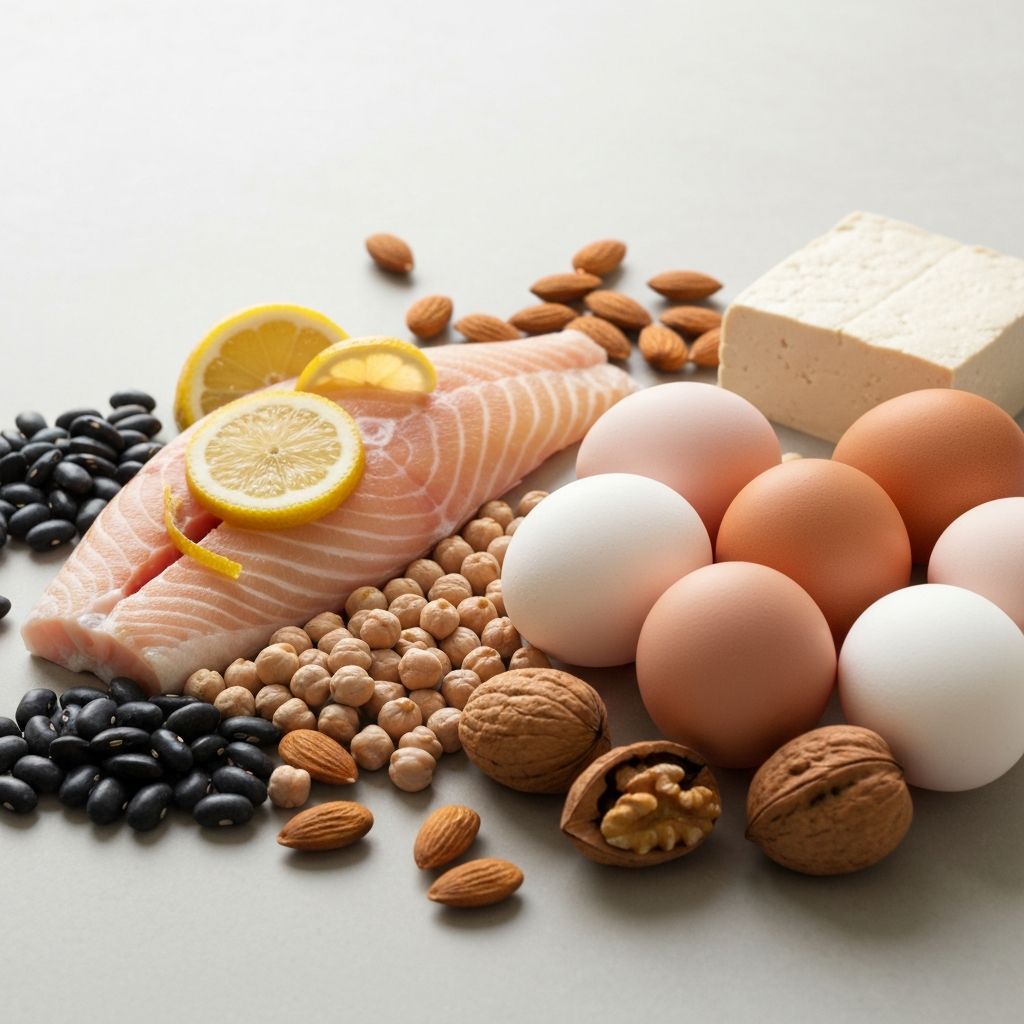
Animal Proteins: Provide complete amino acid profiles and high digestibility. Vary in fat content and micronutrient contributions—fish provides omega-3 fatty acids and selenium; beef provides iron and B vitamins; eggs provide choline.
Plant Proteins: Generally incomplete, though combination strategies provide complete profiles. Lower individual digestibility than animal proteins, though research shows adequate protein support with varied plant consumption. Plant proteins often accompany fiber and micronutrients, though may include phytates affecting mineral absorption.
Practical Considerations
Adequate protein intake supports metabolic processes, satiety, and body composition. Protein sources vary in quality, efficiency, and associated nutrients. Both animal and plant proteins can support adequate protein intake when appropriately selected and combined. Individual needs vary; healthcare professionals can provide personalized guidance based on individual health status, activity level, and goals.
Educational Context
This article provides information for understanding protein nutrition science. It does not constitute personalized nutrition guidance. Individual dietary needs depend on medical history, genetics, activity level, and other factors. Always consult qualified healthcare professionals for personalized recommendations.